

Egypt Is Having a Moment.
by Natalia Ordonez, BPJ Founder
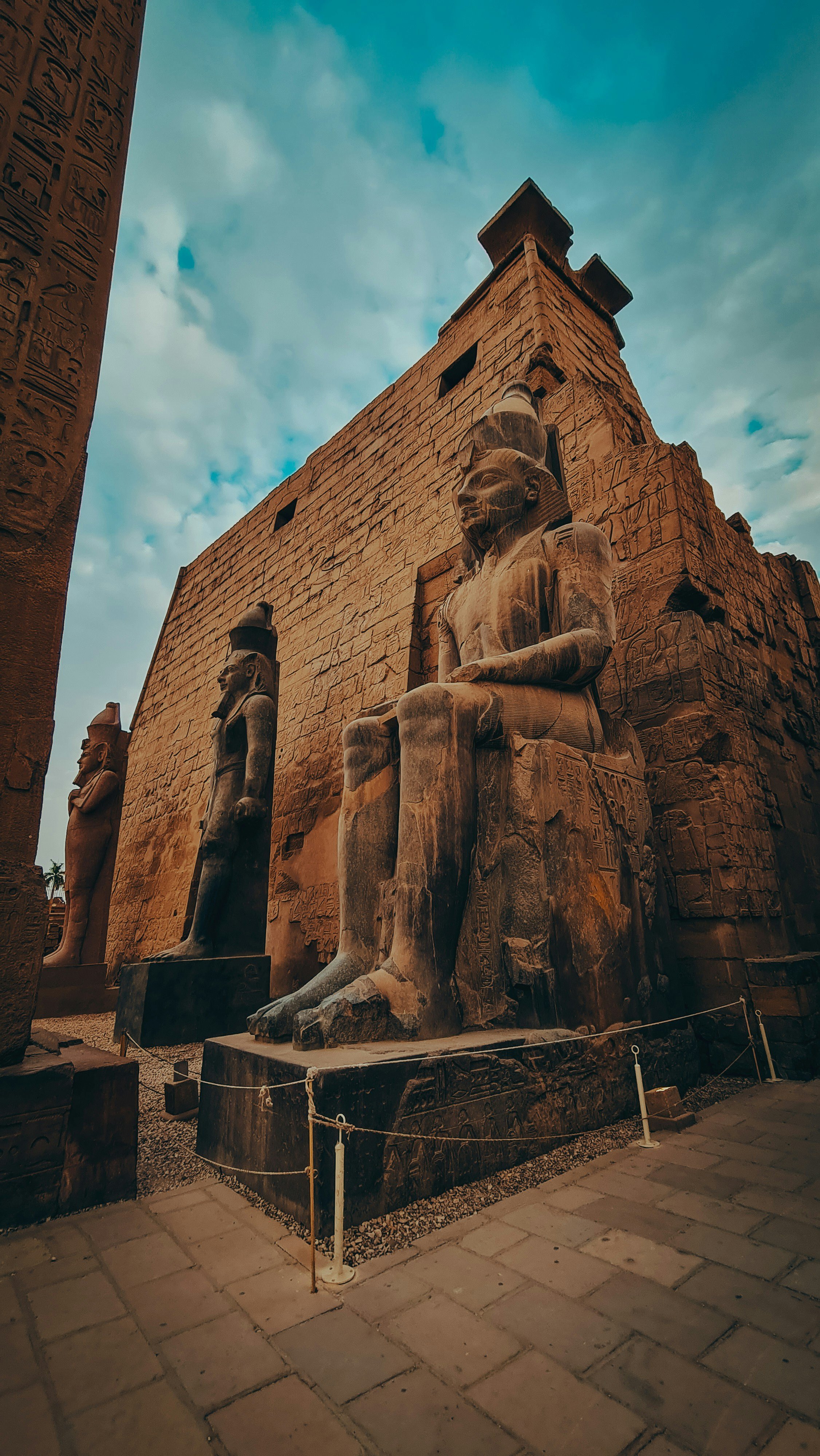
For decades, Egypt occupied a unique place in the imagination of travelers, where pyramids, pharaohs and ancient wonders where the only focus. But something different is happening today.
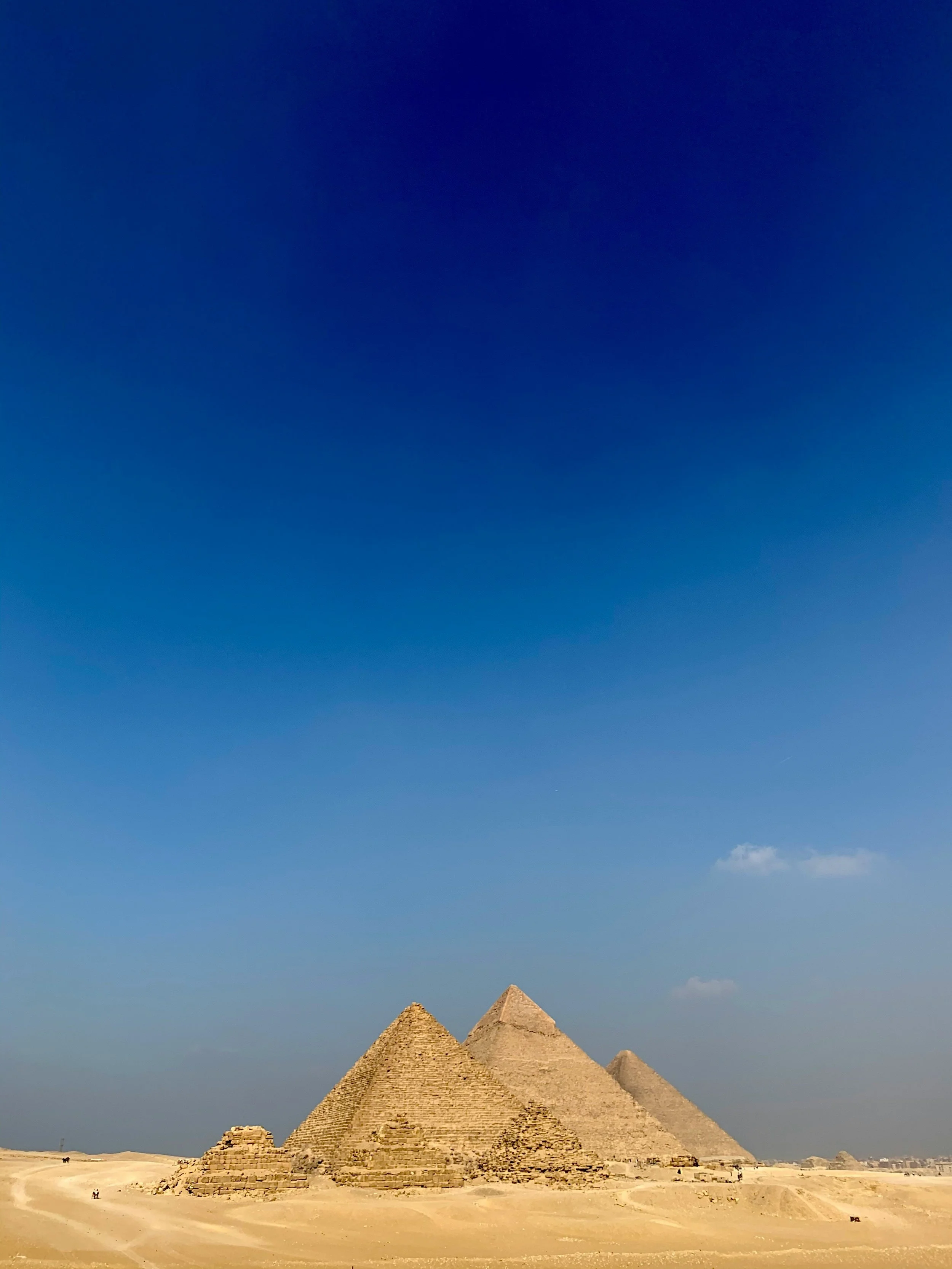
Today, Egypt is experiencing something much bigger than a tourism revival. New cultural investments, landmark openings, archaeological discoveries, and a renewed global fascination with its heritage are placing the country back at the center of the conversation.
The most visible symbol of this transformation is the Grand Egyptian Museum, the largest archaeological museum dedicated to a single civilization. But the story extends beyond the museum walls. Contemporary art spaces are flourishing, historic sites are being reinterpreted for a new generation of travelers, and Egypt is embracing a future that feels as compelling as its past.
For the first time, visitors can see the complete collection of Tutankhamun's treasures displayed together, alongside thousands of artifacts that were previously inaccessible to the public.
It signals a shift in how Egypt presents its heritage: immersive, contemporary and designed for a global audience. The architecture itself creates a dialogue between ancient monuments and modern design, framing the pyramids not as relics of the past but as part of a living cultural landscape.
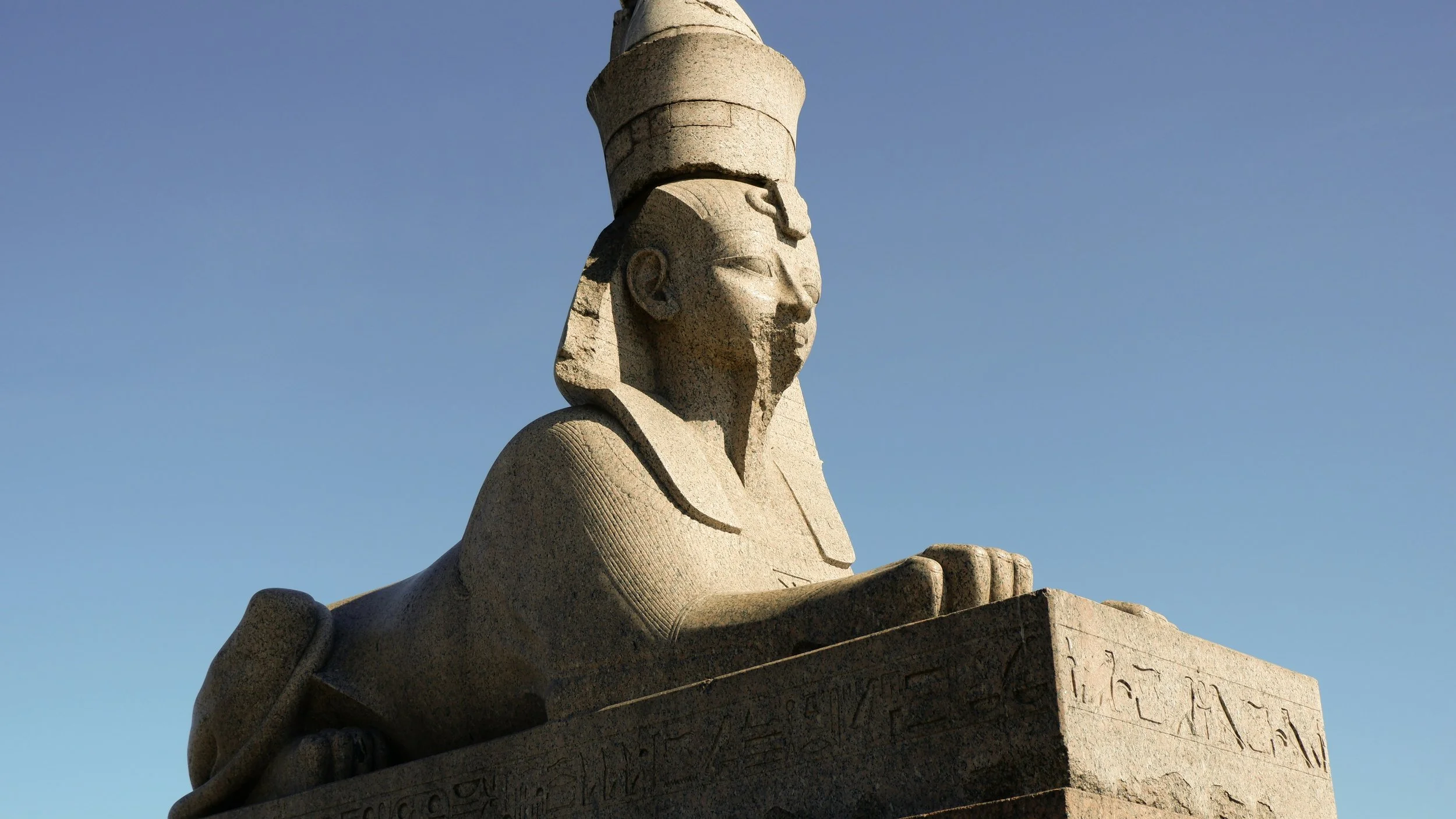
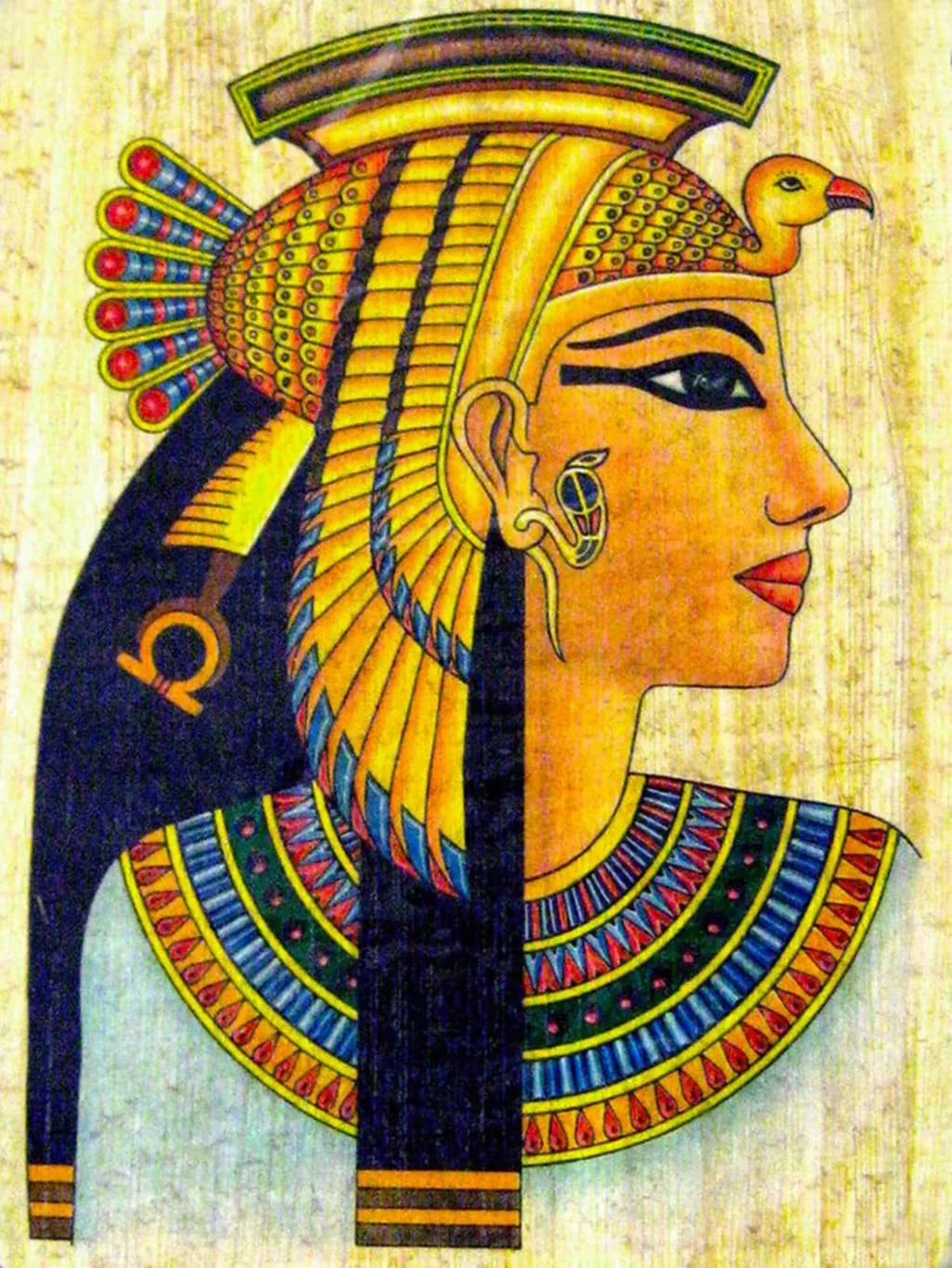
No figure symbolizes this renewed attention better than Cleopatra. The legendary queen has returned to the center of global conversations through new exhibitions, scholarly debates, documentaries and cultural programming that revisit her story beyond the familiar myths. Rather than focusing solely on the romance and intrigue that made her famous, institutions and historians are exploring Cleopatra as a political strategist, intellectual and cultural icon whose influence continues to resonate more than two thousand years later.
BPJ Experiences We Love to Organize
Pyramids of Giza at sunrise, before the crowds arrive and the desert begins to glow with the first light of day.
Private visit to the Grand Egyptian Museum
Private dinner overlooking the pyramids.
Private visit to archaeological excavation sites with Real Egyptologists.
Helicopter flight above Memphis.
Gourmet picnics among the dunes.
Stargazing experiences with astronomers.
Cairo's Contemporary Art Renaissance
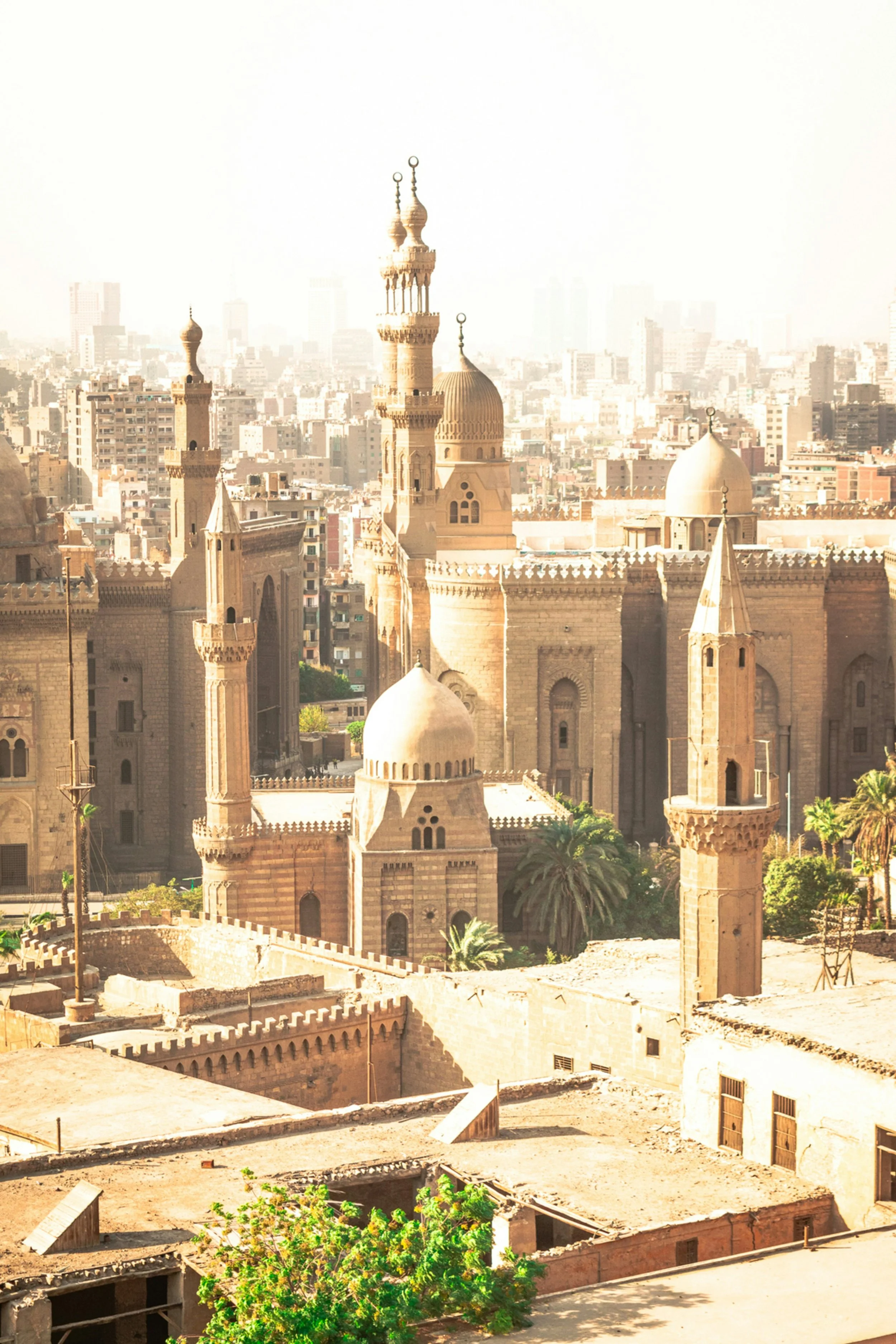
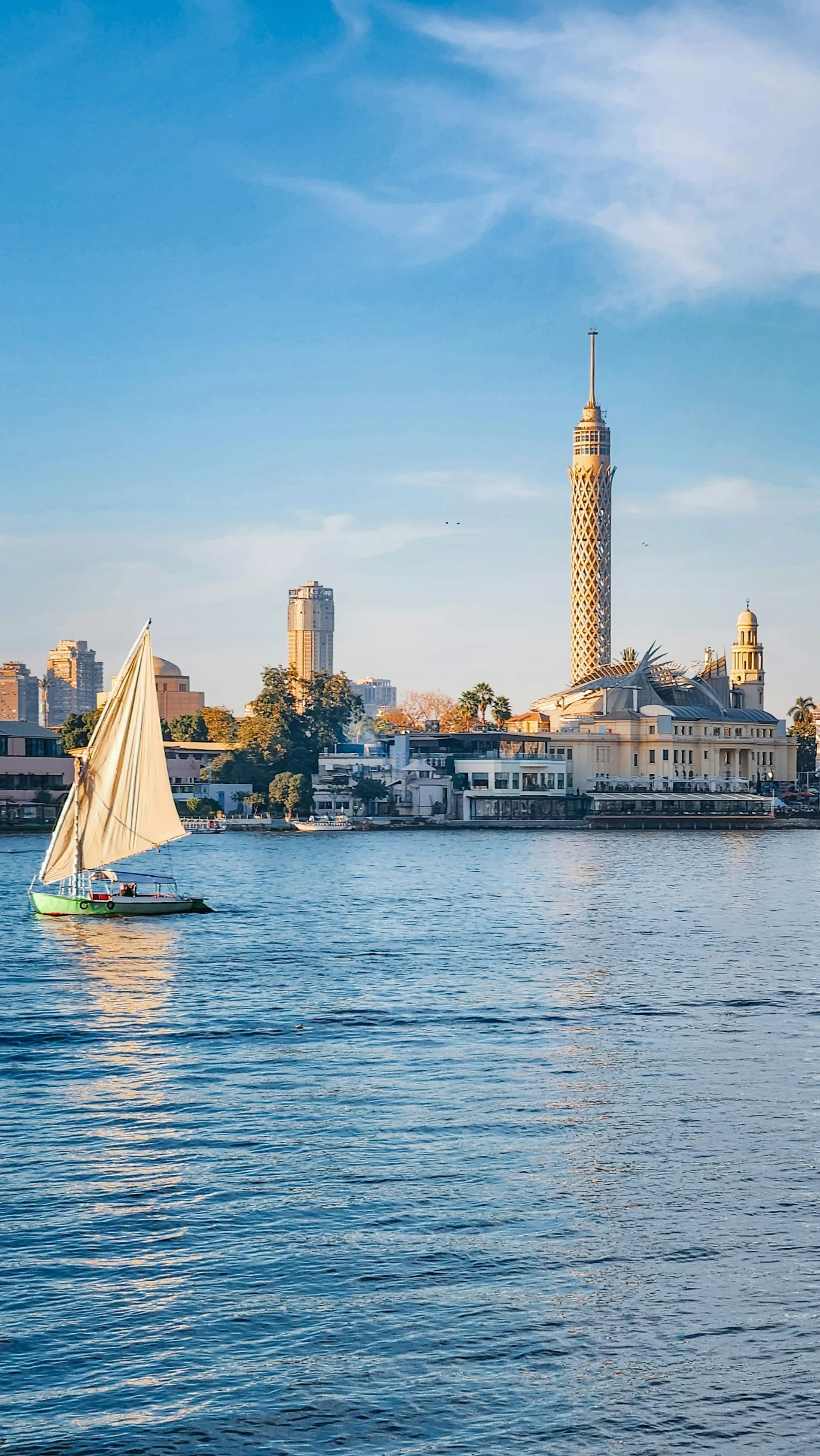
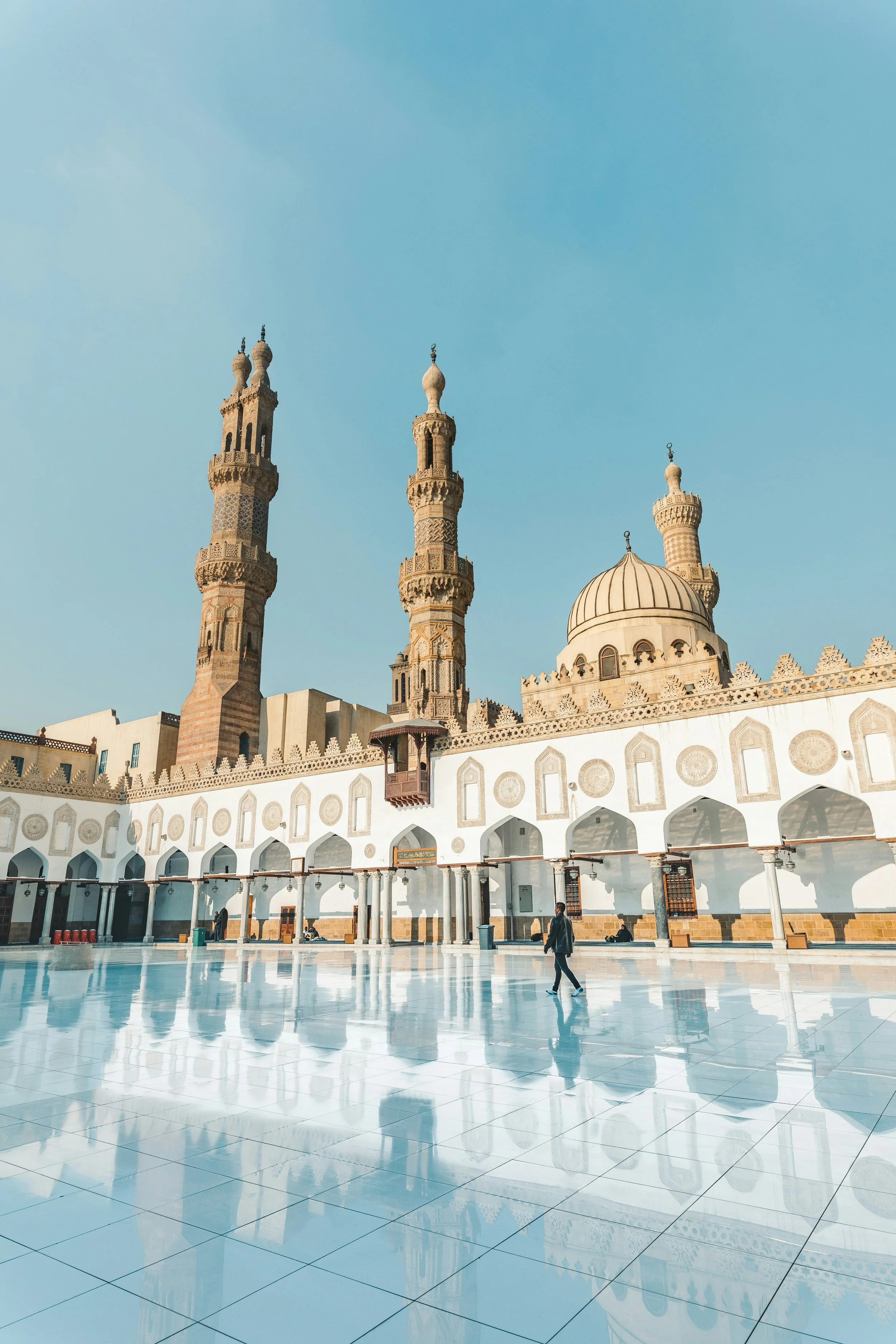
At the same time, a new generation of artists, curators and cultural institutions is reshaping Egypt's creative scene. Cairo has become increasingly active as a regional cultural hub, hosting exhibitions, art fairs and interdisciplinary events that bring together local and international voices. One example is the growing presence of large-scale artistic gatherings within institutions such as the Grand Egyptian Museum itself, where contemporary art is being placed in conversation with thousands of years of history.
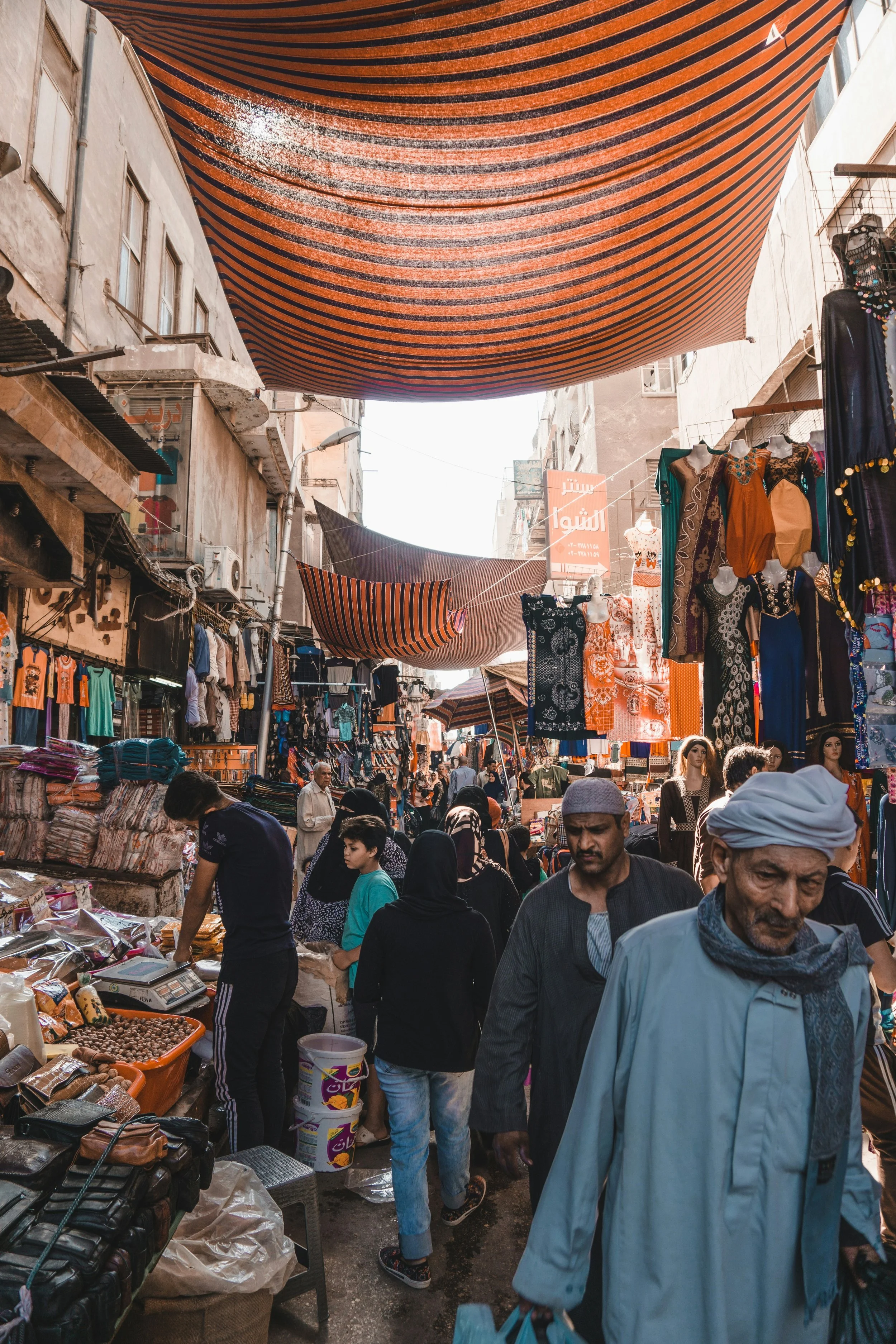
Alongside ancient temples and archaeological sites, travelers are discovering galleries, design studios, creative districts and independent cultural spaces that reveal another side of Egypt—one that is innovative, experimental and deeply connected to questions of identity and heritage.
Discover BPJ’s version of Egypt
Our role is to open the right doors, provide the right context, and design a journey that allows you to experience it in a way that is both meaningful and unforgettable.
Through our trusted local partnerships and carefully curated experiences, we help travelers discover the country beyond the guidebooks—through access, perspective, and meaningful connections.
Let’s travel to Egypt,
